Surface mode
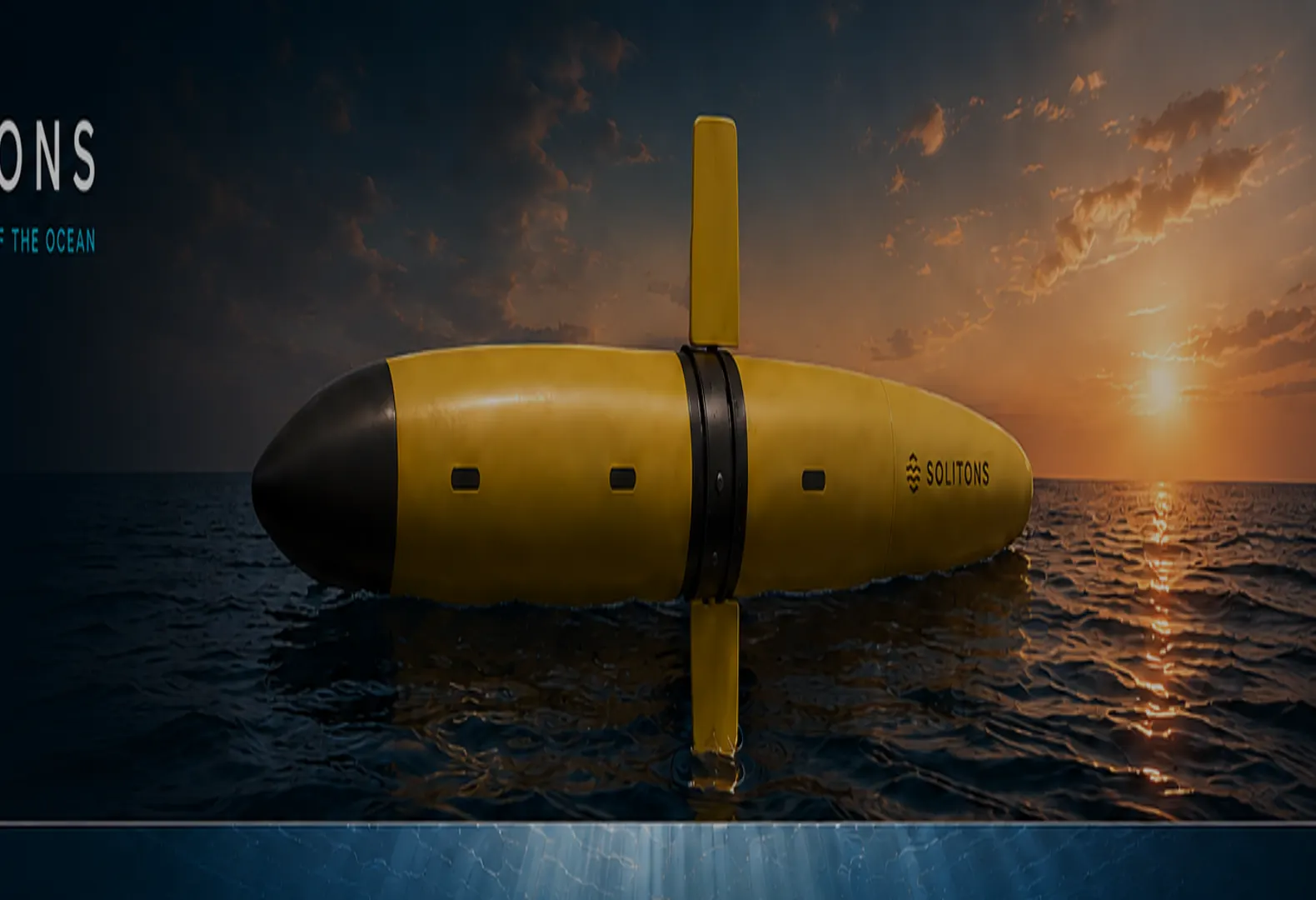
Fins vertical. It sails.
Upright fins give the vehicle the stability and sail area to make way on wind alone, while it holds a continuous satellite link and recharges.
 Partner with us
U.S. Patent No. 12,691,980 · Issued July 2026
One patented airframe sails on the surface and glides underwater. No conventional propulsion, no support vessel — designed to stay on station for months.
The gap
Ocean observation runs on four kinds of platform today. Each is constrained by cost, by coverage, by the single domain it can operate in, or by the energy it burns to move. None of them can simply stay.
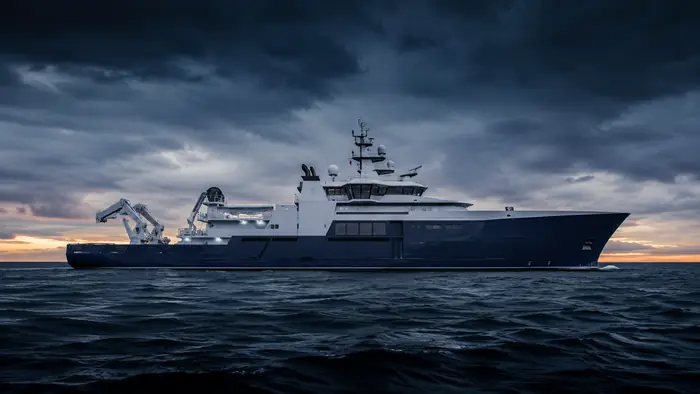
Exceptional capability, but expensive to run and deployed only intermittently.
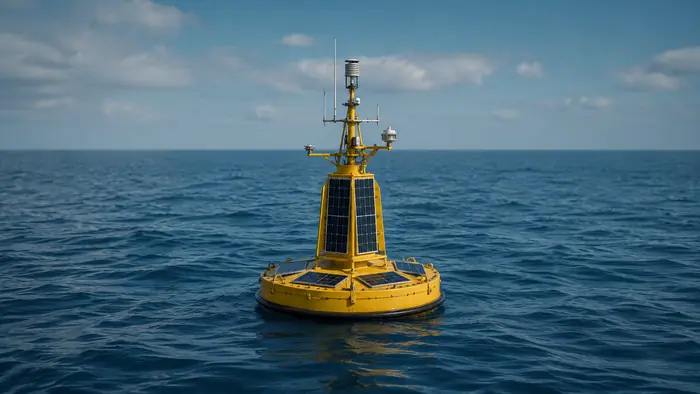
Inexpensive and reliable, but stationary. Coverage never extends past the mooring.
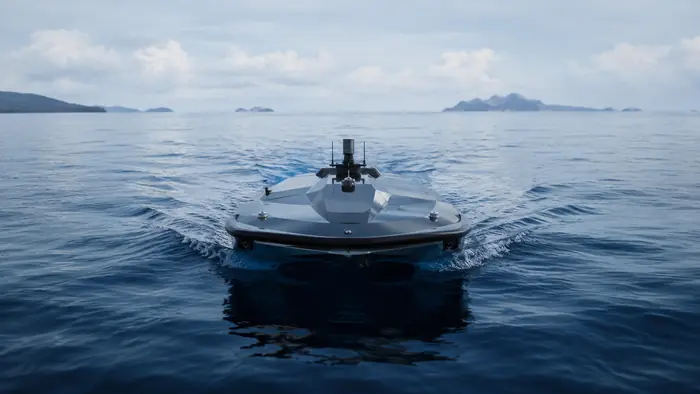
Mobile on the surface, with no access to anything below it.
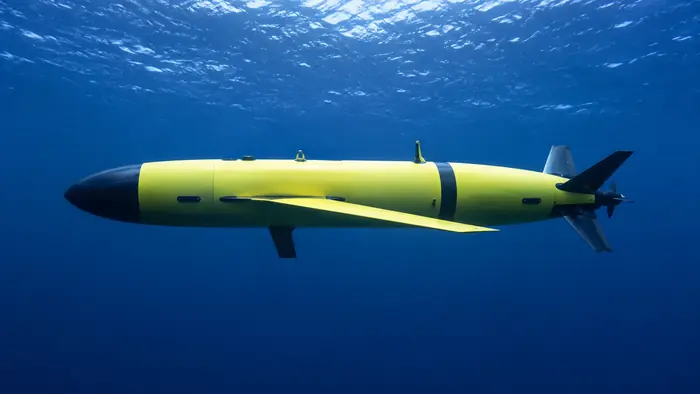
The water column only. Slow to reposition, and no continuous surface link.
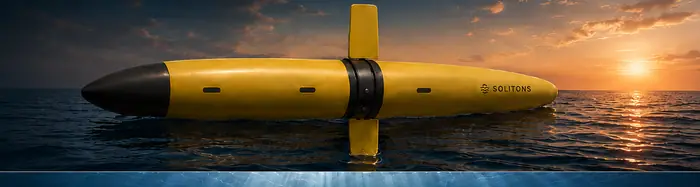
Surface and subsurface from one airframe. Persistent presence, not a sortie.
Persistent ocean presence remains one of the world’s unsolved infrastructure challenges.
The architecture
Rather than building separate vehicles for the surface and the water column, Solitons changes what it is by rotating its central body. The same fin pair does both jobs.
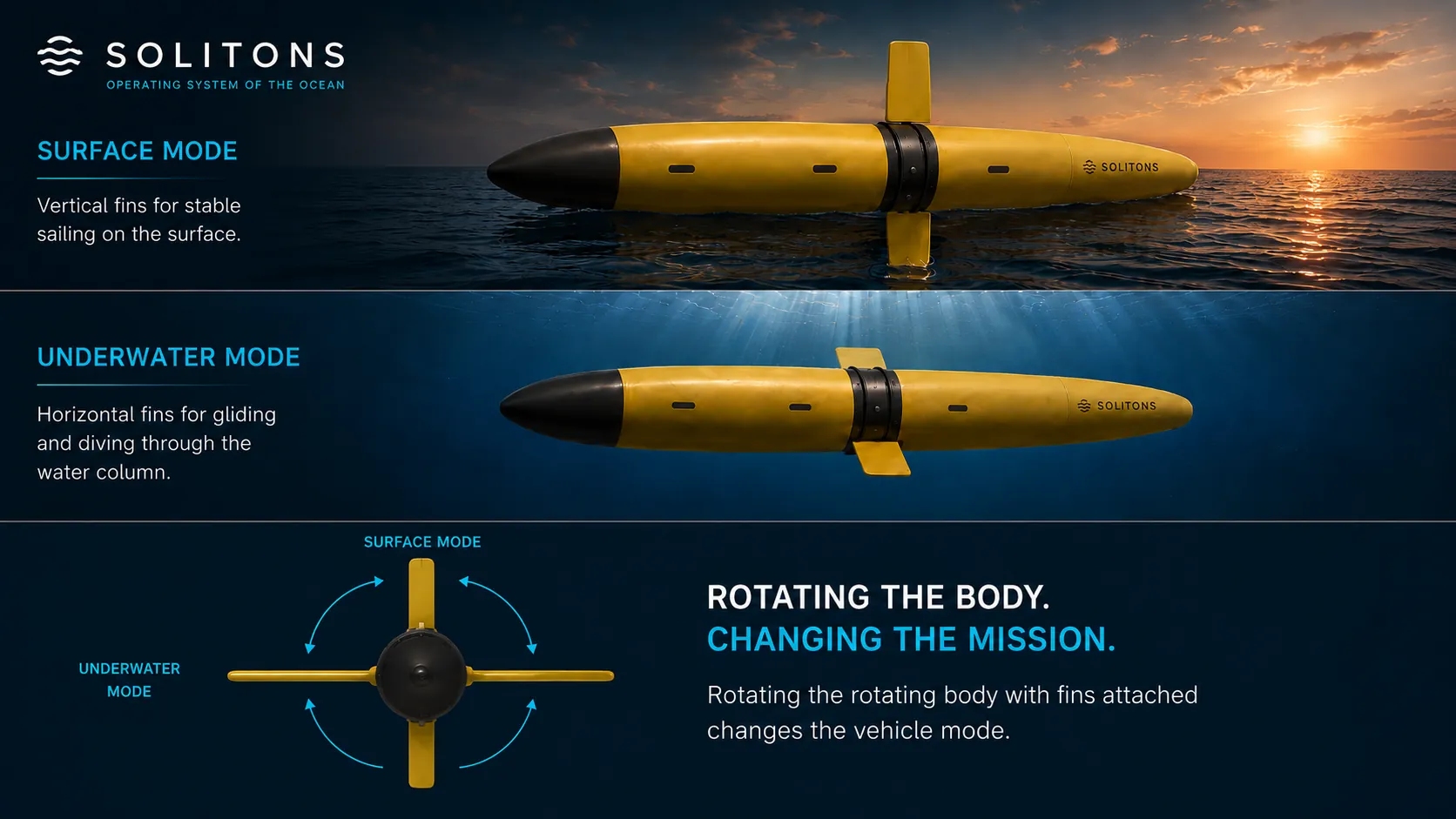
Surface mode
Upright fins give the vehicle the stability and sail area to make way on wind alone, while it holds a continuous satellite link and recharges.
Underwater mode
The same fins become horizontal wings. Variable buoyancy converts vertical motion into forward flight through the water column — no propeller, almost no power.
Applications
The platform stays the same across markets. Only the payload and the software layer change.
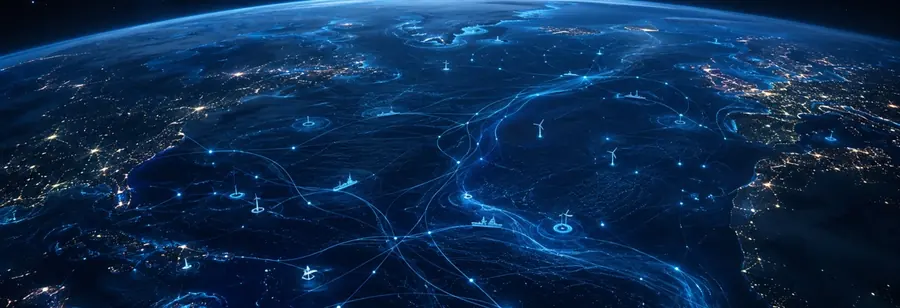
A continuous global ocean data layer
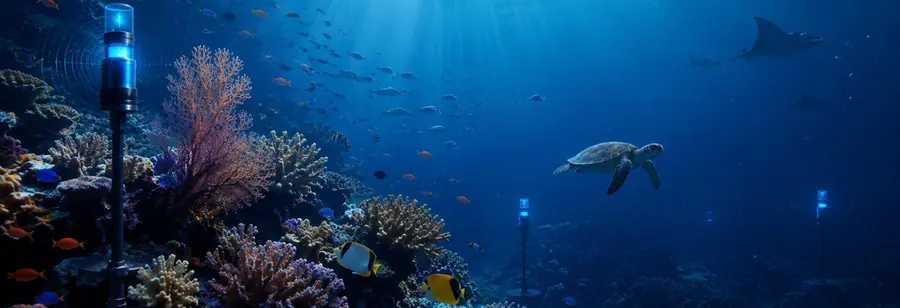
Climate, reefs and ecosystems
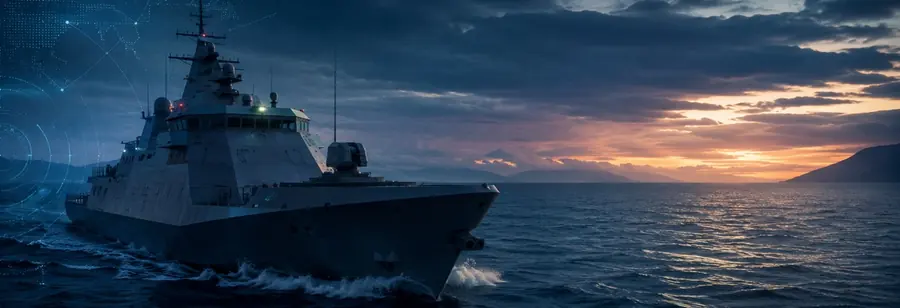
Maritime domain awareness and security
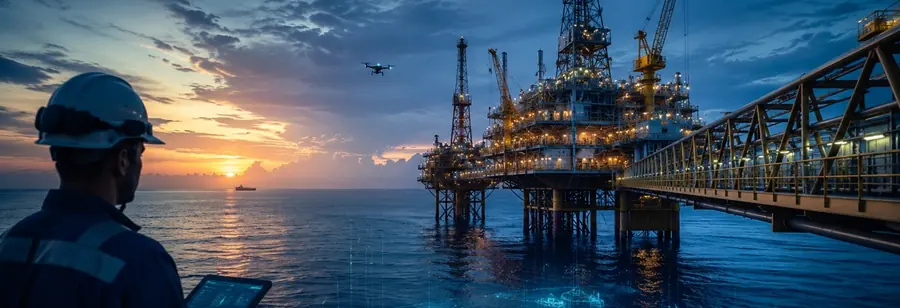
Assets, pipelines and platforms
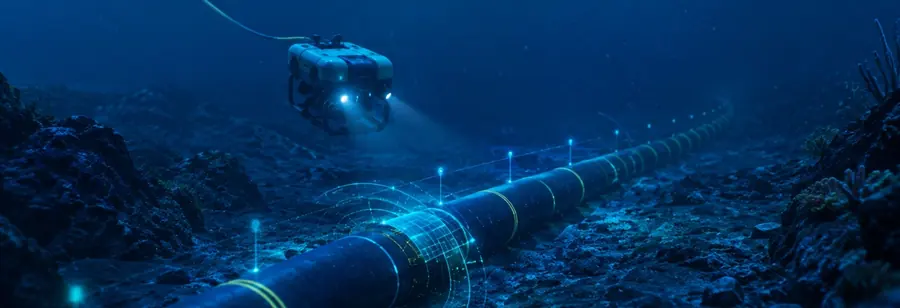
Cables, ports and pipelines
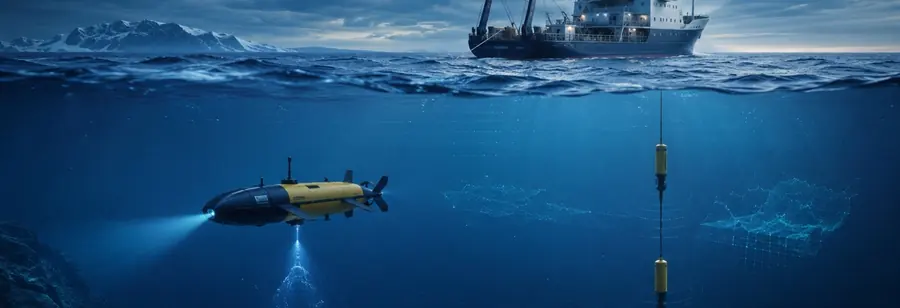
Continuous, low-cost ocean data
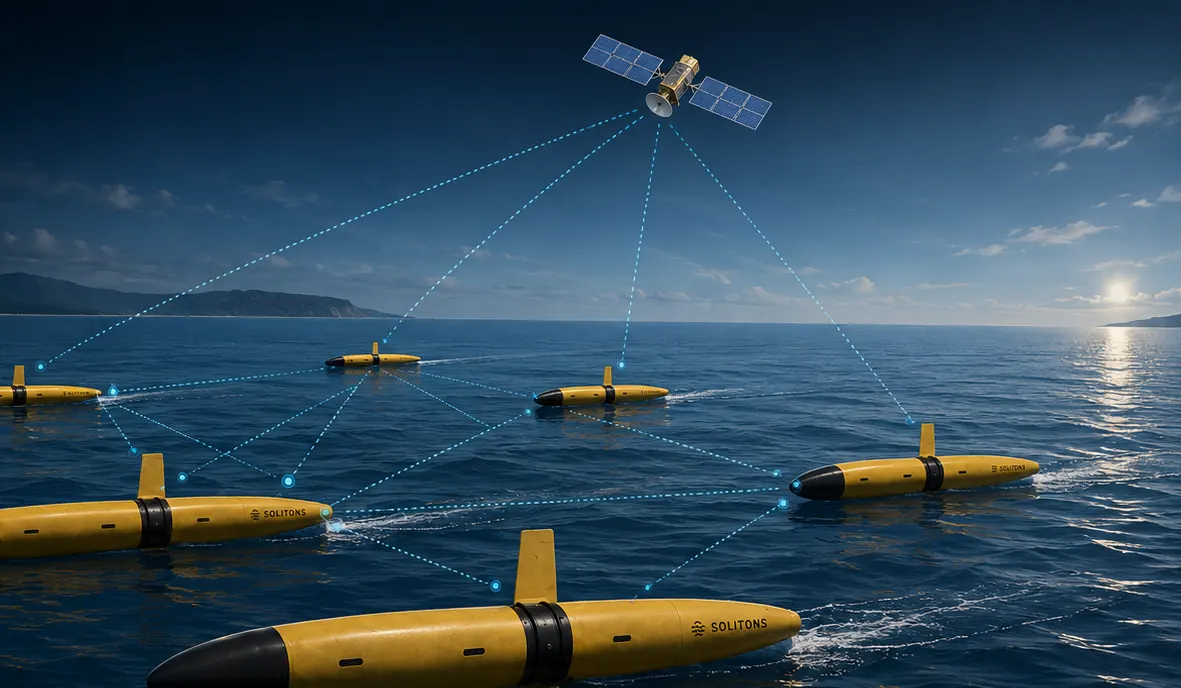
The network
Individual computers became exponentially more useful once they were networked. Autonomous ocean vehicles behave the same way. Each unit shares what it observes, adapts its mission to what the fleet is learning, and takes on whichever role creates the most value at that moment.
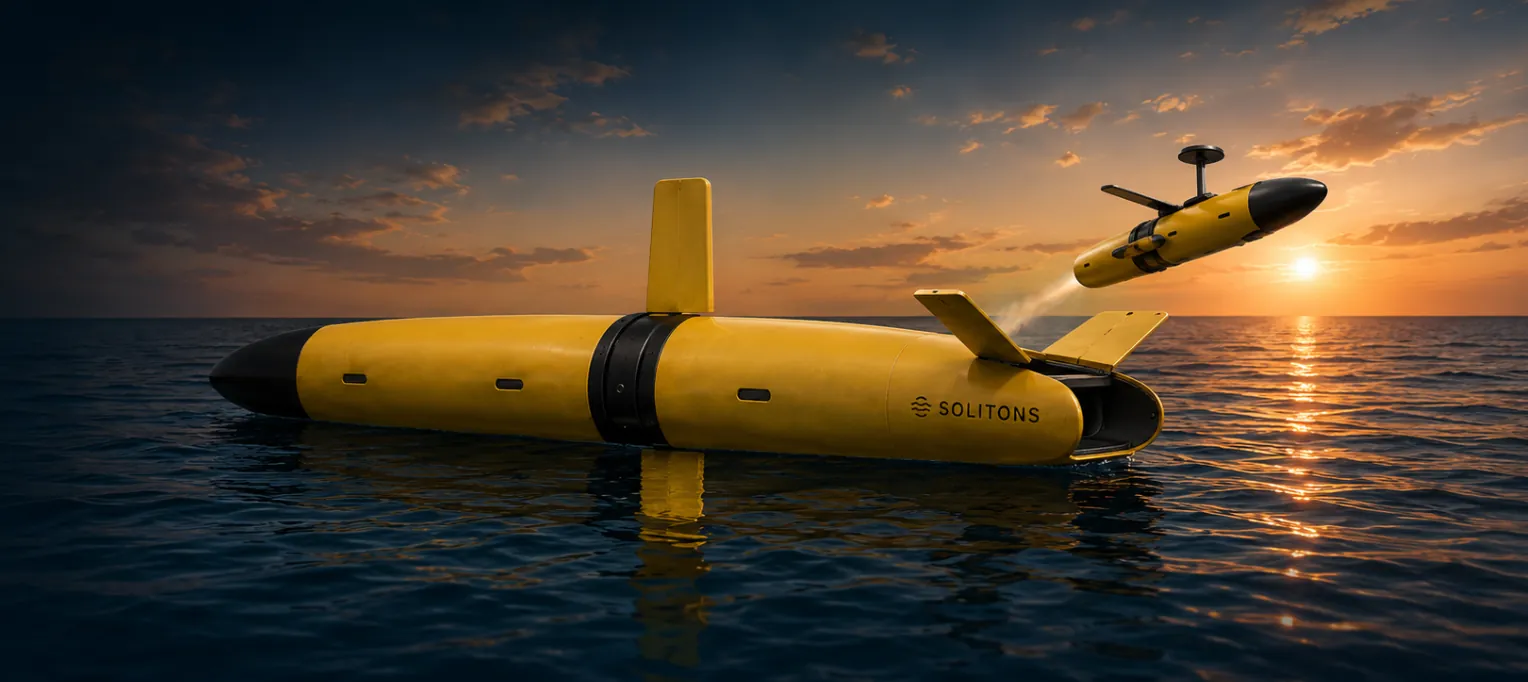
System of systems
Once a persistent ocean node exists, it becomes a foundation for other systems. A vehicle holding station can launch and recover an aerial drone to extend its reach past the horizon — for inspection, communications relay or time-sensitive reconnaissance.
Not under development today. The architecture is designed to allow it.
Intellectual property
U.S. Patent No. 12,691,980
Vehicle Operable as an Underwater Glider and a Surface Sailing Vehicle
Every deep-tech company starts by retiring technical risk. The core architecture is now protected, which settles the question of novelty. The next milestone is no longer invention — it is validation.
The roadmap
This is a structured validation programme with defined technical milestones. Each one retires risk and raises the value of what comes after it.
Complete · July 2026
Hydrodynamic and control-law modelling across both modes
Measured mode transition and stability in controlled water
First integrated airframe demonstrating the rotation
Endurance and autonomy in real sea state
Real missions with launch customers
Coordinated fleet, persistent coverage
Partner with Solitons
Co-develop and accelerate the first platform
Validate the platform on real-world missions
Shape the technology and its applications
Extend reach and build long-term value
Fund the path from patent to impact